Ethan slipped his phone back into his coat pocket.
“Or I stop being here only as her grandson.”
That night, Ethan didn’t stay in the house.
He booked a hotel fifteen minutes away but refused to leave until he helped me pack a small suitcase and gather my medication, identification, bank documents, and the metal cash box where I kept old family papers. Brian protested. Melissa cried. I nearly gave in twice—once out of habit, once out of fear. Ethan stood by the back room door and said gently, “Grandma, you are not asking for permission to leave with me.”
So I left.
The next morning, he took me to breakfast at a diner and spread my papers across the table between two cups of coffee. I had my marriage certificate, Frank’s death certificate, old tax bills, and a photocopy of a deed transfer I barely remembered signing. Ethan read everything carefully. When he found the quitclaim deed, he asked the waitress for more hot water and kept going.
“This was filed six months after Grandpa died,” he said.
I stared at the paper. “Brian said it was part of estate cleanup.”
“It transferred full title from you to Brian for ten dollars.”
My stomach turned.
“Was there ever a trust?”
“I don’t know.”
“A life estate?”
“No.”
“A written agreement allowing you to live there permanently?”
“No.”
He exhaled slowly. “Then he took full ownership.”
By noon, Ethan had me sitting in the office of an elder law attorney named Denise Harper, a small woman with silver braids and a direct gaze that made dishonesty uncomfortable. She listened, reviewed everything, and asked sharper questions than I would have known to ask. Had I understood the transfer? Was I advised to seek independent counsel? Had Brian controlled my finances? Had he isolated me? Had he threatened housing if I complained?
By the end, her legal pad was filled.
“This may support claims for undue influence, elder financial exploitation, and conversion of benefits,” she said. “Possibly constructive fraud depending on how the documents were presented.”
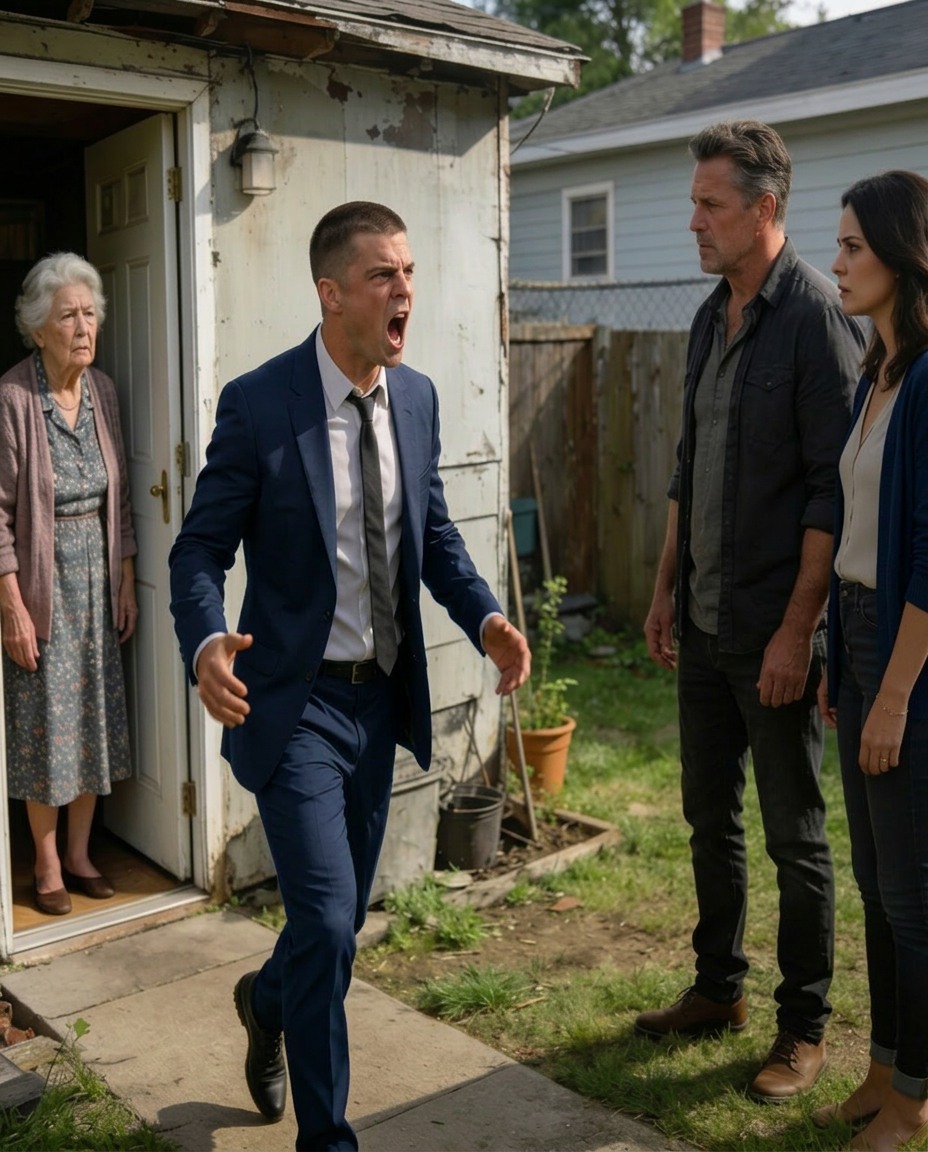
I didn’t understand every word, but I understood Brian’s expression later that afternoon when Denise and Ethan met him at the house.
For the first time in years, my son looked uncertain.
Melissa tried indignation first. “This is ridiculous. Margaret was cared for.”
Denise replied, “Then you won’t mind explaining the rent deductions from her Social Security, the restriction of her access to funds, and the circumstances under which title was transferred.”
Brian’s voice rose. “She wanted us to have the house.”
I surprised myself by answering first. “No. I wanted family. You turned that into ownership.”