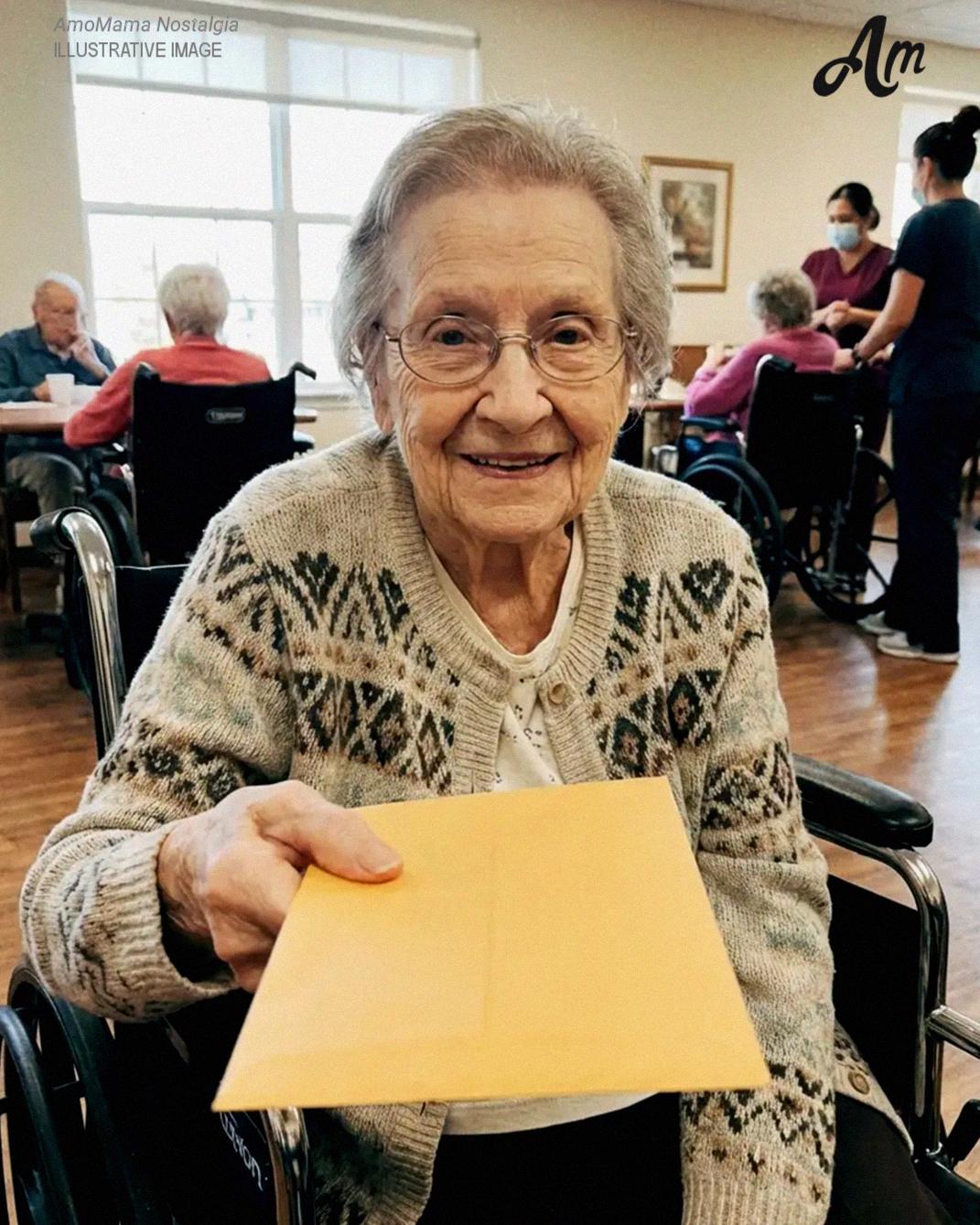
I Gave My Grandson Just a Few Dollar Bills After He Abandoned Me in a Nursing Home — He Was Shocked by the Note I Included

A woman standing in front of a kitchen sink | Source: Midjourney
Then, one gray afternoon, the bell rang, and there he was on my porch, older around the eyes, thinner, twitchy in a way that made my stomach tighten. A woman waited in the car, sunglasses on, engine running. Todd came inside, sat at the edge of the sofa like it might bite him, and folded his hands.
"Grandma," he said, not quite meeting my eyes, "I need your help. Natasha needs an operation. I have run out of money. Could you maybe give me something so she can have the surgery?" His voice shook, but his eyes stayed dry then.
I had seen him lie before, little boy lies about homework and broken windows, but this was different. The word operation echoed in my head, tangled up with the memory of hospital lights over Elaine's pale face.
"Is she very sick?" I asked. "Have you talked with her parents?" Todd swallowed, shook his head, and piled on details that sounded thin and hurried.
I wanted to believe him so badly I let go of common sense. My savings were modest, but the house was worth real money. I signed the papers and sold it for what he called necessity.

A for sale sign in front of a house | Source: Midjourney
Part of the bargain, unspoken but obvious to me, was that I would move in with Todd and Natasha. It made sense on paper. I would not be alone, they would not have to pay rent, and we could finally be a family under one roof again.
I packed my life into boxes, donated furniture, and kissed the walls goodbye. When Todd pulled up in a used sedan and loaded my suitcases, I felt a flicker of hope. Maybe this was our fresh start, a late miracle squeezed out of all the hurt that came before and still haunted our steps.
The apartment they shared was small and cluttered, smelling faintly of cheap cologne and old takeout, but I told myself it was cozy. I cleaned the kitchen until the counters shone, opened the windows to let real air in, and stocked the fridge with actual vegetables.
Natasha watched me like a cat watches a stranger, polite smile, cold eyes. Todd called me "a lifesaver" when dinner appeared at six and his laundry came out folded. I made myself useful, because usefulness had always been how I justified my place in the world from childhood right into my old age, too.

A cluttered apartment interior | Source: Midjourney
It took about three weeks for the cracks to show. No one ever mentioned a hospital. There were no appointment reminders, no prescriptions, no paperwork on the table. Instead, there were new clothes on Natasha, a newer television, glossy brochures for resorts under the junk mail. When I asked how Natasha was feeling, she pressed a hand to her stomach and sighed theatrically, then changed the subject.
One afternoon, I was watering the sad little plants on the balcony when I heard her voice drift through the open sliding door, sharp enough to cut right through the softest parts inside.
"I cannot wait to be rid of her," Natasha hissed. "She is such a burden. She doesn't work; she just sits there reading those sad little books and judging us."
I froze, my hand still on the watering can. The soil kept drinking while my heart stopped. Todd's voice came next, lower, familiar in a way that hurt.
"Relax," he said. "Once she's out of the way, we can finally enjoy ourselves. Hawaii, remember? First trip, no interference. We didn't drag her here just to babysit us forever." They both laughed, and the sound hollowed me out.